Essential Clothing for Paragliding
Weather-Appropriate Outerwear – Choosing the Right Jacket and Pants for Variable Conditions
When considering what to wear paragliding in South Africa’s unpredictable weather, selecting weather-appropriate outerwear is paramount. The sky’s mood can shift swiftly, turning a clear morning into a chilly surprise by afternoon. A well-chosen jacket acts as your shield against gusts and sudden temperature drops, ensuring comfort and safety in varying conditions. Opt for a lightweight, windproof jacket that offers insulation without restricting movement, allowing you to enjoy the thrill without feeling stifled.
Pairing your jacket with the right pants is equally vital. Breathable, moisture-wicking fabrics help regulate body temperature and keep you dry, especially if the wind picks up or if you encounter unexpected rain. For added versatility, consider layers that can be adjusted as conditions evolve. Here’s an idea of what to wear paragliding:
- Thermal base layers for warmth
- Windproof outer jackets
- Flexible, quick-drying pants
Choosing the appropriate outerwear transforms your paragliding experience into a memorable adventure, no matter the South African weather whims. The key is to be prepared for the variable conditions that make paragliding both challenging and exhilarating!
Breathable and Layered Clothing – Managing Temperature Fluctuations with Layers
In the shadowed realm between sky and earth, temperature fluctuations are the silent predators, lurking behind the shifting clouds. When contemplating what to wear paragliding, one must embrace the art of layered clothing—each piece a safeguard against the capricious South African weather. Breathable fabrics serve as a vital armor, allowing your skin to breathe while managing the sudden surge of heat or chill. As you ascend into the ether, the air thins, and a carefully chosen ensemble becomes your greatest ally in maintaining comfort and focus.
Layers are your silent shield, offering adaptability against the unpredictable gusts and fleeting warmth. An optimal approach involves stacking:
- Thermal base layers to retain core warmth
- Lightweight, moisture-wicking shirts to keep sweat at bay
- Insulating mid-layers for those brisk high-altitude moments
With each layer, you craft a wearable sanctuary that responds to nature’s whims—crucial when navigating the mysterious skies of South Africa. Knowing what to wear paragliding isn’t just about comfort; it’s an act of reverence to the sky’s enigmatic dance, a delicate balance of protection and freedom that transforms the flight into an unforgettable odyssey.
Waterproof Gear – Handling Unexpected Rain and Moisture
Paragliding in South Africa offers awe-inspiring views and adrenaline-pumping moments, but Mother Nature can be unpredictable—one moment sunshine, the next, a surprise rain shower. And if you’ve ever wondered what to wear paragliding to stay dry and comfortable, waterproof gear is your secret weapon against those rogue moisture intrusions. No pilot wants their flight to turn into a soggy ordeal!
Investing in a good waterproof jacket and pants ensures you remain shielded from unexpected rain and dew, especially during the early morning or late afternoon flights. Look for gear with sealed seams and breathable fabrics—because nothing kills a mood faster than sweating inside a non-breathable waterproof suit. Remember, your comfort in the air depends heavily on your ability to stay dry and avoid chafing from damp clothes.
To maximize protection, consider packing a lightweight, packable waterproof layer that can be easily stowed away when the sun reappears. Some essential waterproof gear options include:
- Waterproof jacket with adjustable vents
- Waterproof pants designed for active movement
- Waterproof gloves for chilly gusts
Having the right waterproof gear not only keeps you dry but also ensures your focus remains on the breathtaking flight, rather than battling moisture. When you know what to wear paragliding, especially in unpredictable South African weather, every flight becomes a seamless adventure—rain or shine!
Sun Protection Clothing – UV-Protection Shirts and Hats
Paragliding in South Africa exposes adventurers to a spectrum of sun-drenched skies and sweeping vistas, but it also demands an understanding of essential clothing for optimal protection. When pondering what to wear paragliding, sun protection clothing becomes paramount—especially given the country’s intense, high-altitude rays. UV-protection shirts and hats are not mere accessories but vital safeguards against the piercing South African sun, which can rapidly turn a serene flight into a sunburned ordeal.
Opt for lightweight, breathable fabrics designed to shield your skin without sacrificing comfort. Wide-brim hats or caps with neck flaps provide shade and prevent sun damage, while UV-protection shirts with long sleeves ensure full coverage without overheating. For those seeking additional defense, consider clothing with UPF ratings—these garments are engineered to block harmful ultraviolet rays effectively. When selecting what to wear paragliding, prioritize gear that combines sun protection and mobility—your skin will thank you as you soar above breathtaking landscapes, unencumbered by the glare and heat of the South African sun.
- UV-protection shirts designed for active movement
- Wide-brim hats or caps with neck flaps for maximum shade
- Lightweight, moisture-wicking fabrics that keep you cool
All these elements culminate in a seamless experience, allowing you to focus on the thrill of flight rather than the discomfort of sun exposure. In the vibrant skies of South Africa, knowing what to wear paragliding isn’t just about comfort—it’s about embracing the adventure safely and confidently.
Footwear Recommendations for Paragliding
Comfortable and Supportive Shoes – Best Types of Footwear for Safety and Comfort
When considering what to wear paragliding, footwear is often overlooked but is equally critical for safety and comfort. Paragliding demands footwear that provides stability, support, and protection, especially during takeoff and landing. Wearing the wrong shoes can lead to slips, trips, or even injuries, turning an exhilarating flight into a risky endeavor. Choosing the right footwear ensures you stay grounded when it matters most and minimizes fatigue during long flights.
Comfortable and supportive shoes are essential, and the best types of footwear for safety during paragliding are sturdy hiking shoes or boots with good grip. These shoes provide the necessary ankle support and traction on uneven terrain, making them ideal for launch sites and landing zones. Sneakers with a solid sole can work in a pinch, but they often lack the ankle support needed for more challenging takeoff conditions. Remember, what to wear paragliding is not just about comfort but also about ensuring your safety throughout the entire experience.
Closed-Toe Shoes – Why Safety Starts from the Feet
When contemplating what to wear paragliding, footgear often takes a backseat to more glamorous gear like jackets or sunglasses. Yet, the truth remains: safety begins from the ground up. Closed-toe shoes are non-negotiable—they shield your feet from debris, uneven terrain, and sudden slips. The right footwear transforms an exhilarating flight into a secure adventure, especially during the critical moments of takeoff and landing. Paragliding demands footwear that offers stability, grip, and ankle support, qualities that sturdy hiking shoes or boots effortlessly deliver.
Choosing footwear for paragliding isn’t just about comfort; it’s about safeguarding your entire experience. The terrain at launch sites can be unpredictable, with loose gravel or muddy patches that demand reliable traction. To enhance safety, consider footwear that features:
- Durable soles with excellent grip
- Supportive ankle design to prevent sprains
- Protection against rough surfaces and sharp objects
Remember, when questioning what to wear paragliding, prioritize footwear that keeps you grounded—literally—so you can fully enjoy the soaring thrill without worry. Because in the end, the best adventure begins with secure footing.
Non-Slip Soles – Ensuring Stability During Launch and Landing
When contemplating what to wear paragliding, footwear often remains an overlooked detail—yet it can make or break your entire experience. The importance of non-slip soles cannot be overstated, especially during the critical moments of launch and landing. These phases demand unwavering stability, making grip and support essential for safety and confidence in the air.
Choosing the right footwear involves more than just comfort; it’s about ensuring a secure connection with uneven, unpredictable terrain. Opt for shoes with durable, non-slip soles that grip the ground firmly. Supportive ankle design is equally vital, helping to prevent sprains when navigating rocky or muddy launch sites. Lightweight hiking shoes or sturdy boots are often the best choice, providing the right balance of agility and protection.
- Durable soles with excellent grip
- Supportive ankle design to prevent injuries
- Protection against sharp surfaces and debris
Ultimately, understanding what to wear paragliding requires prioritizing footwear that offers stability and safety. With the right non-slip soles, you’ll stay grounded through all the exhilarating moments of takeoff and landing, transforming a daring adventure into a secure, unforgettable journey through the skies.
Additional Apparel and Accessories
Gloves – Choosing Warm and Grip-Friendly Handwear
When considering what to wear paragliding, gloves often become an overlooked yet crucial component of your gear. The right pair can make all the difference between a comfortable flight and frozen fingers that hinder your control. Opt for gloves that strike a balance between warmth and grip, as chilly hands can reduce dexterity and affect your ability to handle the paraglider’s control lines effectively. Insulated gloves with textured palms provide the warmth needed for colder mornings while ensuring a firm grip, even in damp conditions.
Additionally, look for gloves that are designed specifically for outdoor adventure, combining durability with flexibility. Some pilots prefer gloves made from windproof and water-resistant materials, which protect against sudden weather shifts common in South Africa’s varied landscape. In colder months, layering a thin liner beneath your gloves can enhance insulation without sacrificing tactile sensitivity. Remember, when it comes to what to wear paragliding, well-chosen handwear not only boosts your comfort but also significantly enhances safety and flight precision.
Protective Eyewear – Sunglasses and Goggles for Pilot Comfort
In the realm of paragliding, comfort and clarity of vision are paramount—both of which hinge on the right choice of protective eyewear. Imagine soaring through South Africa’s vast skies, where the sun’s rays dance off the rugged terrain and unpredictable weather shifts can obscure your view. A pair of quality sunglasses or goggles not only shields your eyes from harmful UV rays but also reduces wind and glare, transforming your flight into a smooth, immersive experience. The magic lies in selecting eyewear that balances clarity with durability, ensuring your gaze remains unwavering no matter how turbulent the wind might become.
Opt for sunglasses with polarized lenses designed for outdoor adventure—these diminish glare while enhancing contrast, critical for navigating through changing thermal layers or spotting thermals. For more intense conditions, especially when flying over rugged landscapes or in colder months, goggles with anti-fog coatings and adjustable straps provide an extra layer of protection. Remember, when considering what to wear paragliding, protective eyewear becomes an essential component—not just for safety, but for the pure joy of gliding through the boundless sky with unobstructed vision.
Headgear – Caps or Helmets for Safety and Sun Protection
As the wind whispers secrets of the sky and the horizon beckons with promises of uncharted freedom, the question of what to wear paragliding becomes more than mere attire—it transforms into a vital element of the experience itself. Headgear, often overlooked in casual conversations about flight gear, plays a pivotal role in safeguarding your most vulnerable asset: your head. Whether opting for a sturdy helmet that marries safety with comfort or a lightweight cap that shields against the sun’s relentless glare, the right headgear can elevate your paragliding adventure from cautious exploration to confident glide.
In South Africa’s diverse landscape, where intense sun exposure and unpredictable weather patterns are common, selecting appropriate headgear is crucial. Helmets with adjustable vents and moisture-wicking linings enhance airflow and reduce fatigue, allowing pilots to focus on the thrill rather than discomfort. For sun protection, a wide-brimmed hat or cap can serve as a first line of defense, preventing sunstroke and maintaining clarity of vision—integral to understanding what to wear paragliding for safety and enjoyment. The harmony between protective gear and adventure leads to a seamless union of safety and passion, ensuring that every flight feels as exhilarating as the first.
Neck Warmers or Scarves – Additional Warmth During Cooler Flights
As the cool air whispers across the ridge during a brisk morning flight in South Africa’s rugged landscapes, the importance of thoughtful, layered apparel becomes undeniable. While many focus on the essentials—jacket, pants, gloves—additional accessories like neck warmers or scarves often slip into the background, yet their role in enhancing comfort and safety is profound. These seemingly simple items serve as vital thermal buffers, shielding your neck and lower face from the biting chill that can seep in at higher altitudes or during cooler seasons. In the delicate balance of what to wear paragliding, they transform a potentially uncomfortable experience into one of pure enjoyment.
Neck warmers or scarves—crafted from moisture-wicking, insulating fabrics—offer more than warmth; they act as a barrier against wind chill, which can sap confidence and focus during flight. For those unpredictable South African weather patterns, having an adaptable accessory can be the difference between a serene glide and a tense shiver. To maximize their effectiveness, many pilots prefer versatile options that can be snugly wrapped around the neck or pulled up over the chin, seamlessly integrating into their overall paragliding attire.
In the quest for optimal comfort and safety, consider layering with accessories that can be easily adjusted or removed, depending on the temperature or wind conditions.
- Lightweight, thermal neck warmers that wick moisture away
- Stretchable scarves that can double as face masks
These small but mighty additions are essential components of what to wear paragliding, especially when engaging in longer flights or exploring cooler climates. As every seasoned pilot knows, when the body temperature remains stable, mental acuity sharpens, and the sheer joy of flight takes precedence over discomfort or distraction. In South Africa’s vast skies, where every breath of fresh air fuels passion, these accessories are more than mere accessories—they are allies in the pursuit of flight’s purest form.
Safety Equipments to Consider Wearing
Helmets – Importance of Wearing a Certified Paragliding Helmet
When contemplating what to wear paragliding, safety equipment should be at the forefront of your considerations. A certified paragliding helmet isn’t just a fashion statement; it’s a vital safeguard that can significantly reduce injury risks during launch, flight, and landing. In fact, studies highlight that helmets reduce head injury severity by a substantial margin, making them an indispensable part of your gear.
Opting for a helmet that complies with recognized safety standards, such as EN 966 or ASTM certification, guarantees that it has undergone rigorous testing and offers reliable protection. These helmets are often lightweight yet durable, providing comfort without sacrificing safety. Remember, a well-fitted helmet ensures stability and minimizes movement during flight, which is essential for maintaining focus and safety. When considering what to wear paragliding, never underestimate the importance of this crucial piece of safety equipment—your head’s safety depends on it!
Harness and Safety Straps – Proper Fit and Security
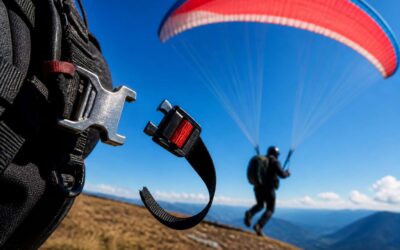
When it comes to what to wear paragliding, harness and safety straps are often overlooked but absolutely critical. A properly fitted harness ensures that your body remains securely attached to the glider, providing both stability and confidence during your flight. Ill-fitting gear can cause discomfort and even compromise safety, especially during turbulent moments or rough landings. Ensuring your harness fits snugly without pinching or chafing is paramount for a smooth experience.
Additionally, safety straps act as the final line of defense, preventing accidental falls or slips. Before takeoff, double-check that all straps are securely fastened and adjusted. For added peace of mind, some pilots prefer harnesses with quick-release mechanisms, which allow for rapid disconnection in emergencies. Remember, when contemplating what to wear paragliding, prioritizing your harness and safety straps can turn a breathtaking adventure into a safe, exhilarating journey through the skies.
Emergency Devices – Personal Locator Beacons and Signal Tools
Embarking on a paragliding adventure transports you into a realm where the sky is your playground and safety is paramount. While many focus on the essentials like harnesses and weather-appropriate gear, one often overlooked aspect of what to wear paragliding is the inclusion of vital safety equipment. Personal locator beacons and signal tools are your lifelines, turning a potential emergency into a manageable situation. In remote South African landscapes, where coverage can be patchy, these devices are invaluable.
Equipping yourself with an emergency device such as a personal locator beacon (PLB) ensures rapid rescue response if unforeseen circumstances arise. Additionally, carrying signal tools like a whistle or mirror can dramatically increase your visibility to rescue teams. For those venturing into more isolated regions, an ordered list of emergency devices can be particularly reassuring:
- Personal Locator Beacon (PLB)
- Signal mirror
- Whistle
When considering what to wear paragliding, integrating these safety tools seamlessly into your gear setup can make all the difference. Remember, the sky offers exhilarating freedom, but safety devices act as your safeguard, ensuring every flight remains a memorable adventure rather than a perilous risk. With the right protective gear and emergency devices, paragliding becomes not just a sport but a journey of trust and thrill across South Africa’s breathtaking skies.
Preparation Tips for Dress Code in Paragliding
Checking Weather Forecasts – Adapting Clothing to Weather Conditions
When contemplating what to wear paragliding in the dramatic skies of South Africa, one must heed the whisper of the wind and the forecast’s silent warning. Weather conditions can shift with the subtlety of a ghost’s breath, transforming a serene flight into a perilous dance with the elements. Checking weather forecasts before venturing into the open air is not merely prudent but essential—knowing if the wind will whisper or roar can dictate your clothing choices and ensure your safety.
Adapting your clothing to the weather conditions demands a careful assessment of the day’s atmospheric temperament. For instance, if the forecast predicts cooler temperatures or high-altitude gusts, layering becomes your ally. Consider a base layer of moisture-wicking fabric beneath an insulating mid-layer, topped with a weather-resistant outer shell. This approach allows flexibility as the temperature fluctuates during the flight, helping you stay warm without sacrificing mobility.
For those unsure about the weather, an unordered list of essential considerations can serve as a guide:
- Monitor wind speed and direction—strong gusts can influence what to wear paragliding.
- Check temperature forecasts—chilly conditions require thermally efficient clothing.
- Be alert for sudden weather changes—rain or fog can unexpectedly alter your flight experience.
In this dance with the skies, your attire becomes a silent partner—one that must adapt as swiftly as the storms that swirl beyond the horizon. Dressing appropriately for weather conditions transforms a mere adventure into an experience of harmony with the wild, mysterious air of South Africa’s breathtaking landscapes.
Layering Strategies – How to Dress for Comfort and Safety
Embarking on a paragliding adventure in South Africa’s awe-inspiring skies requires more than just a sense of adventure; it demands thoughtful preparation—especially when considering what to wear paragliding. Comfort and safety hinge on strategic layering, ensuring that your attire can adapt seamlessly to the fluctuating conditions encountered at altitude. The right clothing not only enhances your experience but also acts as a vital safeguard against the unpredictable elements that dance across the landscape.
Layering strategies are the cornerstone of dressing appropriately for paragliding. Begin with a moisture-wicking base layer to keep sweat away from your skin, followed by an insulating mid-layer for warmth. Over this, a weather-resistant outer shell can shield you from wind and light rain, which are common in South Africa’s varied terrains. For variable conditions, consider a versatile approach:
- wear breathable, quick-drying fabrics
- opt for lightweight, insulating layers that can be added or shed as needed
This method guarantees comfort whether soaring over Table Mountain or descending into the Cape Winelands.
When selecting your attire, prioritize flexibility and support. Breathable, supportive shoes are essential—preferably closed-toe with non-slip soles—since safety begins from the ground up. Additionally, don’t overlook accessories like gloves or neck warmers, which can make a notable difference during cooler flights. Every piece of your clothing should be chosen with the question of what to wear paragliding in mind: functional, protective, and tailored for the exhilarating dance with nature’s elements.
Avoiding Loose Clothing – Ensuring Safety and Freedom of Movement
When preparing for a paragliding adventure in South Africa, choosing what to wear paragliding isn’t just about style—it’s a critical safety decision. Loose clothing might seem comfortable, but it can easily get caught in harnesses or propellers, risking accidents and hampering freedom of movement. Opting for fitted attire ensures that every move is precise and unhindered, allowing you to focus entirely on the thrill of soaring above iconic landscapes like the Drakensberg or the Garden Route.
To maximize safety and comfort, avoid overly baggy garments that could entangle or interfere with gear. Instead, select streamlined clothing that conforms to your body, providing stability and ease during launch and landing. Remember, every piece of clothing should serve a purpose—protecting you from the elements without restricting your agility. When contemplating what to wear paragliding, prioritize functionality, ensuring your attire supports both safety and the exhilarating dance with the skies. This thoughtful approach transforms a simple flight into an unforgettable adventure, where freedom and security go hand in hand.


0 Comments