High-altitude paragliding prep and gear essentials
Key gear for high-altitude flights
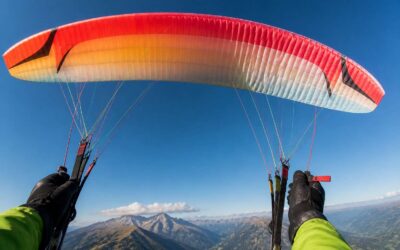
Altitude is a social art, and for paraglider high altitude pursuits, preparation shapes every glide more than bravado. In South Africa, dawn thermals offer a courteous audience; the sky rewards pilots who arrive with measured nerves and gear in good order.
Prep and gear essentials come down to two things: space to breathe and trustworthy hardware. Here are the key items that elevate a flight from spectacle to archive-worthy memory:
- Helmet with eye protection
- Harness and reserve parachute
- Gloves, base layers, and a windproof shell
- Altimeter and GPS for orientation
- Oxygen system for high-density altitude zones (where applicable)
- Hydration pack and snacks
The high-altitude journey, conducted with quiet restraint and clean lines, becomes a dialogue with the horizon. It is not bravado that endears; it is finesse, manners, and a pilot’s calm grin as the sun recedes. What a glide!
Weather-appropriate clothing and layering
South Africa’s dawn air is bright, then brisk. For the paraglider high altitude, weather-appropriate clothing and layering shape every glide. Moisture-wicking base fabrics keep skin dry; a light insulating layer holds heat without bulk; and a windproof outer shell shields against sudden gusts. Accessories—gloves, a beanie, and sunglasses—slice glare and protect extremities as altitude climbs. The aim is steady warmth and steady breath, not drama, as the horizon greets a calm, measured flight.
- Base-layer fabrics that wick moisture and resist odor
- Light insulating mid-layers for warmth in cooler pockets
- Windproof, breathable outer shells for rapid changes
- Protective headwear and gloves suitable for cold mornings
Weather-appropriate clothing choices are part craft, part caution. In SA skies, a thoughtful wardrobe helps preserve visibility and energy for the long, quiet stretch between takeoff and landing.
Paraglider, harness, and reserve selection for altitude
Altitude changes everything—the air thins, but the adventure thickens. In a paraglider high altitude flight, every gram, every line, and every seam matters as you drift toward the upper chorus of the sky.
Gear essentials drift from object to philosophy: the paraglider itself must deliver stable, predictable handling at altitude; the harness should cradle comfort while keeping reserve access swift and sure; and the reserve parachute must be ready for the unexpected, with clean line compliance and proper deployment potential.
- Paraglider: wing with stable behavior, altitude-rated certification, and streamlined weight
- Harness: ergonomic fit, secure reserve pocket, reliable quick-release buckles
- Reserve: appropriately sized, easily accessible, and compliant with local regulations
In South Africa’s vast skies, preparation wears an elegance that reads as resilience—quiet assurance as the horizon grows and calls for a measured, reverent ascent.
Oxygen and breathing equipment considerations
Every breath tightens like a measured heartbeat when chasing a paraglider high altitude. At 3,000 meters, air carries about 70 percent of sea-level oxygen, and the sense of scale changes with every glide. In South Africa’s vast skies—from the Drakensberg to the Highveld—preflight thinking must include breathing strategy. A reliable, compact oxygen setup becomes part of the routine, not an afterthought, because altitude rewards precision and discipline.
Breathing equipment should be lightweight, with a regulator that delivers steady flow and a mask that seals comfortably. Hydration, pacing, and acclimatization awareness matter as you calibrate your lungs to the thinner air. The goal is clean line, calm lungs, and a flight that respects the altitude’s silence. For paraglider high altitude flights, the oxygen system must be light and reliable, with a leak-free regulator and a mask that rides comfortably against the jaw.
Flight planning and risk assessment in high-altitude environments
Understanding airspace and launch zones
Altitude rewrites risk, and a paraglider high altitude flight demands a planner’s mindset. In South Africa’s varied airspaces—from the Drakensberg escarpment to the Cape’s coastal ridges—wind patterns and airspace rules shift with height. Before you lift off, map the day’s forecast, your route, and your retreat options, keeping clarity at the center when decisions get thinner at altitude.
To keep the approach controlled, consider these airspace and launch-zone checks:
- Current airspace classifications and temporary restrictions for the region.
- Launch zones and typical wind directions for the day.
- Nearby sensitive areas to avoid overflight during ascent.
Altitude is a moving target; disciplined planning and modest margins keep pilots safe and skies welcoming. In South Africa, airspace respect isn’t a luxury—it’s the baseline for responsible, enjoyable flights.
Weather patterns at altitude: wind, thermals, and turbulence
Forecasts are your compass when South Africa’s highveld and escarpments fall away and the air grows old with deeper blues. In the realm of paraglider high altitude, a single misread wind shift can rewrite a flight story in real time. A disciplined planner eyes aloft patterns, margins, and retreat routes before lifting.
Weather patterns at altitude—wind, thermals, and turbulence—shape every glide. They answer as you climb: steady winds can widen your corridor; soaring thermals lift you toward the sun; sudden turbulence humbles the craft.
Keep margins generous and always carry a retreat plan; altitude asks for humility and respect from the pilot’s heart.
- Wind directions at altitude and speed variances
- Thermal strength and timing for safe cores
- Turbulence pockets near ridgelines and inversions
- Cloud development signaling unstable pockets
Altitude limits, no-fly zones, and emergency planning
Altitude is a stern mentor; every glide writes a negotiation with wind and wind-laughter. In paraglider high altitude, flight planning becomes a weather-facing compass and a map of margins, retreat routes, and the quiet spaces where a pilot can breathe and wait. Here in South Africa, the highveld winds sing with a particular tempo, and I learn to listen before lifting!
- Altitude limits: max height bounds and local regulations
- No-fly zones: power lines, protected reserves, and airspace restrictions
- Emergency planning: communication plans, bail-out options, and retreat strategies
- Contingency routes: safe altitudes and alternative launch points
These considerations anchor a flight in humility—no heroics, only readiness. The map is a living thing, and I learn to read it like a memory, trusting process over impulse.
Flight logging, trip planning, and redundancy checks
More than half of high-altitude incidents trace back to overlooked preflight checks, and the truth lands with a thud: planning shapes outcomes more than bravado. Flight planning and risk assessment in high-altitude environments demand a cool head, a crisp map, and a willingness to pause. The paraglider high altitude pursuit isn’t about heroics; it’s about reading wind clues, margins, and the quiet space between impulse and prudence.
- Flight logging: record time, altitude, winds, and thermal patterns;
- Trip planning: establish launch, landing points, escape routes, and alternate airfields;
- Redundancy checks: second radio, beacon, reserve status check.
In a paraglider high altitude reality, redundancy isn’t paranoia—it’s insurance against a gusty plot twist that changes your margins in a heartbeat. The map remains a living thing, and I read it with patience, not bravado, letting the wind teach the lesson instead of the ego.
Pre-flight safety checklist for high-altitude conditions
High-altitude flights demand a cooler cockpit than a summer Johannesburg train carriage. The bottom line: planning shapes outcomes more than bravado. “Plan the line, fly the line” is the quiet creed—preflight risk assessment isn’t an annoyance, it’s a lifeline whispered by the wind.
Flight planning and risk assessment in high-altitude environments hinge on a practical preflight checklist. Consider the following factors as you strap in:
- Weather profile: wind shear, gusts, and thermals at altitude
- Terrain awareness: launch/landing zones and escape routes
- Airspace brief: active zones and expected restrictions
- Emergency readiness: comms, beacon, and reserve status
The map stays alive; margins shift with every gust. The paraglider high altitude pursuit rewards patience and precision over impulse, letting quiet observation replace bravado. Patience, a crisp map, and a cool head keep you nimble in the quiet space between impulse and prudence.
Safety protocols and risk management for high altitude paragliding
Hypoxia symptoms and acclimatization strategies
A veteran South African pilot once said, ‘Altitude reveals character before it reveals angles.’ That truth lands with a soft thump the moment you enter the thin air of paraglider high altitude, where winds whisper and decisions carry weight.
Safety protocols and risk management are not rituals but lifelines here: maintain clear flight plans, respect airspace, and keep a dependable radio link and reserve in sight. Above all, trust personal limits and long-range thinking, because the sky does not forgive shortcuts.
Symptoms can creep: headache, dizziness, tunnel vision, fatigue, confusion. Acclimatization travels at its own tempo—gradual elevation, ample rest, hydration, and listening to the body.
- Significant hypoxia indicators to monitor
- Acclimatization pacing and rest principles
- Emergency communication readiness
In SA’s majestic plateaus, that height invites awe—treat it with reverence.
Equipment checks and redundancy (reserve deployment considerations)
SA skies demand more than courage; they demand discipline. A striking stat from a local paraglider community shows risk drops when flight plans are clear, airspace respected, and a dependable radio link hums in the pocket. Safety protocols become lifelines in thin air, reminding us that on long crossings, prudence outglows bravado.
- Reserve deployment readiness—reserve packed integrity, pin status, and a reachable deployment handle.
- Redundancy ethos—secondary comms, spare power, and an unobstructed release path to preserve options under stress.
In the paraglider high altitude theatre, the mind breathes with the wind, and elegance is found in restraint and readiness. The true beauty is in preparation that respects the mountains, the air, and the lives depending on sound judgment.
Emergency procedures: reserve use and landing zones
Above South Africa’s windswept escarpments, the paraglider high altitude theatre unfolds like a living map—where courage meets calculation. A veteran pilot once said, “Altitude writes the truth about preparation.” The message lands here: discipline, not bravado, keeps lifelines intact when the air thins and visibility narrows.
Safety protocols in this theater hinge on sound risk management. Emergency procedures lean on reserve use as a last resort and on landing zones cleared of obstacles, with predictable trajectories and respected by ground teams. In solid weather, rehearsed anticipation steadies the mind and wings.
On every crossing, the horizon is a quiet teacher: plan, communicate, observe the mountains, and honor the life-supporting air we borrow for flight.
Buddy system and communication protocols
South Africa’s high-mountain air tells no lies: miscommunication tops near-misses above the escarpments in the paraglider high altitude arena. The buddy system isn’t a luxury; it’s safety’s backbone. When air thins and visibility narrows, trusted partners become lifelines. “Clear comms save lives,” a veteran reminded me, and the mountains listen to plain talk.
- Buddy system: constant visibility and mutual accountability.
- Communications: clear phrasing and concise signals.
- Redundant channels guard messages when sight or radio falter.
- Shared altitude awareness binds crew and ground support.
Across the globe, calm, deliberate dialogue keeps pilots and teams in step. For the paraglider high altitude theatre, these principles steady flight through South Africa’s skies.
Site-specific risk assessments and weather contingency plans
In South Africa’s dramatic skies, risk whispers before it roars. A single convective pocket can tilt a paraglider high altitude operation from routine to precarious in minutes. Safety isn’t a slogan; it’s a practiced habit guiding every dawn launch and dusk landing.
Site-specific risk assessments map terrain quirks and access routes, while weather contingency plans acknowledge that bright mornings can morph into capricious cloud streets. In the paraglider high altitude arena, vigilance is a quiet discipline that keeps teams aligned and calm.
To keep momentum safe and readable, a compact framework travels with the crew:
- Terrain and rescue access treated as variables, not constants
- Decision points centered on visibility and wind shifts
- Contingencies grounded in local realities and resources
Across South Africa’s altitude scrims, risk management remains human, collaborative, and resilient as dialogue steadies flight against the mountains’ unpredictable breath.
Performance and technique improvements at altitude
Thermal optimization and lift exploitation at higher elevations
Glide in rarified air—the paraglider high altitude becomes a canvas for lift where wind writes poetry on your wing. A seasoned pilot notes lift efficiency can rise by about 15% when thermals are tracked with patient finesse. “The thinner air is a canvas for lift,” a veteran South African flyer reminds us, and the truth of that line reveals itself in deliberate, smooth inputs.
At altitude, technique shifts: small, precise corrections beat brute energy. Keep a wider neutral arc to stay in rising air longer; monitor airspeed for the thin margin between mush and buoyant lift; use subtle weight shifts to steer through shear without stalling comfort.
- Cloud streets and sunlit patches signal lift cores
- Subtle wing adjustments reveal airflow patterns
- Maintaining smooth, rhythmic inputs preserves energy in thin air
In South Africa, the balance of wind, peak thermals, and open skies makes this artistry sing.
Speed-to-fly and glide ratio adjustments in cold air
Above the South African dawn, the paraglider high altitude becomes a pulse of cold air and quiet possibility. In crisp, thinning air, speed-to-fly feels like time stretching, and glide ratio shifts as your wing finds the right lift.
Observations from altitude pilots share include:
- Sharper trim to ride subtle shear
- Energy preserved through smooth, rhythmic inputs
- Attention to parallel air lanes and sunlit pockets as lift cues
Across the nation, the altitude ballet remains a South African signature—where patience meets air and sky answers with buoyant whispers.
Wing loading and weight management for altitude
In South Africa’s thinning dawn air, altitude amplifies lift and drag, and performance hinges on precise wing loading. Small shifts in weight distribution or strap tension translate into cleaner energy lines, steadier trims, and a more forgiving sink rate as you rise into thinning air. Weight management becomes a compass for staying in lift.
To sharpen technique at height, pilots calibrate wear, ballast, and load path with intention.
- Distribute payload evenly across the harness to preserve longitudinal balance.
- Fine-tune ballast subtly; add or reduce weight in small increments while monitoring the wing’s response.
- Review gear layout and reserve placement before launch to minimize pitch changes during transitions.
In the paraglider high altitude theatre, these tweaks translate to calmer thermals and more efficient energy exchange.
These weight-conscious adjustments become second nature, turning altitude into a partner rather than a challenge.
Launch techniques on windy or alpine sites
Altitude doesn’t steal your sky; it refines it. In South Africa’s thinning dawn air, the paraglider high altitude theatre asks for a different tempo, where lift becomes a whisper and drag, a stubborn companion. The body learns to read the air with a poet’s patience.
Performance and technique at height emerge as smoother energy exchanges: the paraglider high altitude speaks in cleaner lines, responses arrive with a touch more restraint, and the pilot’s breath anchors a steadier rhythm. Height sharpens perception, turning every gust into a subject for study rather than a threat.
Launch techniques on windy or alpine sites demand quiet resolve and a broad awareness of the air’s moods.
- wind gradient awareness
- terrain cues and open space
- mental readiness for variable lift
In these conditions, the experience becomes a dialogue rather than a confrontation.
Energy management and pilot fitness for long alpine flights
Altitude is a merciless tempo coach, and the climb demands more than grit. In the South African dawn, the paraglider high altitude ballet treats energy like currency and breath like interest. “Altitude never lies—it audits your breathing,” says a seasoned local pilot, and the line lands hard when the air thins and patience shortens.
Performance tightens at height as you convert small energy reserves into smooth, efficient exchanges. A steadier breath, a calmer heart rate, and refined wing feel turn long alpine flights into a measured dance rather than a dash. Fitness—especially endurance, core stability, and sleep discipline—becomes your quiet propulsion when visibility narrows and lift behaves.
Altitude asks you to stay tuned to the body’s signals; the partnership rewards rhythm, restraint, and resilience over bravado.
Training, certification, and becoming a safe high-altitude flyer
Required certifications and training pathways
Training isn’t optional; it’s your passport to becoming a safe paraglider high altitude flyer. In fact, 30% fewer altitude-related incidents trace back to structured certification—proof that thinking twice before a thin-air launch is smarter than heroic bravado. In South Africa, pilots who complete an accredited program report smoother launches and calmer nerves when the air thins and the vistas bite back.
Certification paths begin with ground handling, weather literacy, and mentorship, through SAHPA-affiliated schools. From there you move to hill launches, flight theory, and supervised alpine sorties that build decision-making under pressure.
Typical training milestones:
- Ground handling basics and basic flight theory
- Hill-launch practice and in-flight decision drills
- Altitude-aware navigation and safety decision-making
Embrace lifelong learning, maintain fitness, and respect altitude limits as you pursue altitude mastery.
Physical conditioning for altitude endurance
Altitude is a test of discipline, not bravado. In South Africa, pilots who commit to certified training report smoother launches and calmer nerves when the air thins. Certification isn’t a checkbox; it’s a passport to safe high-altitude flying. The path blends grounded basics with real-world flight under supervision, building decision-making, risk awareness, and lifelong learning habits. It’s a craft, not a stunt.
Physical conditioning matters as much as gear. Endurance training, core strength, and disciplined breathing keep fatigue from skewing judgment in paraglider high altitude conditions. A prepared pilot respects fatigue limits, uses efficient oxygen strategies, and paces climbs and descents to stay in command.
Progression: from valley flights to high-altitude sites
“Altitude is authority over fear,” a line our top South African instructors echo as they map a route from valley mornings to alpine launches. Training and certification aren’t box-ticking rites; they’re passports to safe paraglider high altitude exploration. The path blends grounded basics with supervised real-world flying, sharpening decision-making, risk awareness, and lifelong learning—craft rather than stunt.
Progression is deliberate, shaping each ascent with care:
- Valley practice under supervision to build fundamentals
- Gradual exposure to higher sites with risk checks
- Formal certification modules paired with ongoing recurrency drills
Becoming a safe high-altitude flyer hinges on ongoing conditioning and weather literacy. Pilots pace climbs, manage energy, and keep calm in the comms glow of a South African ridge. The journey is continuous, always learning from the air. From valley flights to high-altitude sites, the progression never stops.
Safety mentoring and ongoing education
In flying, training is my compass, not a box to tick. South African instructors champion deliberate progression: valley practice builds fundamentals, then measured exposure to higher sites hones judgment. The focus is steady decision-making, energy management, and weather literacy—skills I carry into every ascent.
Safety mentoring and ongoing education sit at the heart of our approach. We see it as a living practice that evolves with every flight.
- Structured mentorship with experienced pilots
- Regular debriefs and scenario-based reviews
- Periodic refresher trainings to stay sharp
Certification is a milestone, not a finish line. Ongoing education keeps you capable at paraglider high altitude, season after season. You pace climbs, read the ridge, and trust the process—true mastery!
Choosing the right instructors and training partners
Training is a compass, not a box to tick. In the SA skies, true paraglider high altitude mastery comes from stepwise learning and careful risk management, not quick leaps.
Choosing the right instructors and training partners matters. Look for mentors with local site knowledge, a track record of gradual exposure, and a culture of honest debriefs.
- Local site knowledge and safety-first mindset
- Structured progression with documented flights
- Open debriefs and ongoing mentorship
Certification marks a milestone, not an ending. With the right people, ongoing education keeps you capable season after season, turning every ascent into a measured, confident glide. Your high-altitude journey benefits from people who match your pace and your goals.


0 Comments