Understanding Paragliding Risks
Key Hazards Before Takeoff
Launch day is where risk becomes decision. A veteran pilot once said, “We crash not on the glide, but on the preflight!” That truth frames every takeoff: can paragliding go wrong hinges on what happens before you lift off, when air, weight, and site meet.
Key hazards before takeoff include:
- Weather and wind changes at the launch site
- Inadequate preflight and equipment checks
- Site and terrain constraints that limit safe takeoff and recovery
Understanding these hazards keeps pilots, instructors, and launch sites aligned. South Africa’s varied landscapes demand disciplined judgment, clear communication, and respect for every launch decision.
Equipment and Mechanical Failures
Gear is the quiet gatekeeper of every flight. If you ask, can paragliding go wrong, the answer is often found in equipment integrity—not the weather, not the pilot, but the gear that carries you.
In South Africa, sun, dust, and heat accelerate wear on lines, canopy seams, risers, and harness webbing. Defects can be latent, introduced at manufacture or developed through use and storage, yielding unpredictable behavior in the air.
- Frayed lines and worn connectors
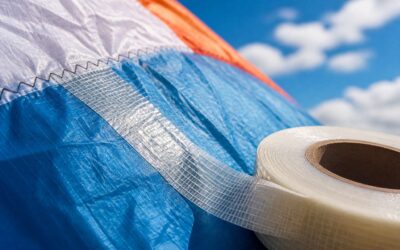
- Damaged canopy seams or small tears
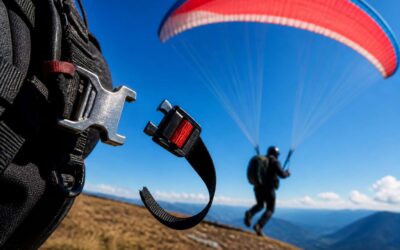
- Harness or riser buckle fatigue or misalignment
- Reserve parachute deployment issues or mispacking
Ultimately, the responsibility rests with pilots, instructors, and launch sites to uphold a culture of awareness and due care for gear longevity and integrity.
Weather and Environmental Risks
The sky never lies, it simply tests your nerve in seconds. A veteran South African pilot notes, “Wind writes the story before you lift.” Weather and environmental risks are not background noise; they’re the headline act, shaping every glide and every misstep.
Microclimates shape every takeoff. In South Africa, highveld heat, coastal humidity, and escarpment shadows twist air into unpredictable currents. Visibility can drop with dust or sea spray, turning a calm glide into a cautious dance.
- Rapid wind shifts at sunrise and sunset
- Inversions and thermal gusts near ridges
- Dust, glare, and reduced visibility in dry seasons
- Coastal fog and rotor near cliffs
Ask yourself: can paragliding go wrong? The answer rises from reading the sky and respecting the environment, not chasing the perfect day.
Pilot Decision Making and Risk Assessment
In the vast South African skies, a single dawn gust can rewrite a day. can paragliding go wrong? The answer is both a whisper and a roar—risk is inevitable, but knowledge is the compass that keeps it elegant.
Understanding begins with pilot decision making and risk assessment as ongoing practices, not moments of courage alone. Choices arise from reading the air, sensing margins, and acknowledging uncertainty. A small, thoughtful approach to interpretation keeps possibility aligned with safety.
- Variables shaping flight such as microclimates and visibility
- Personal experience and humility in decision making
South Africa’s horizons invite wonder, and risk is the price of a grand view. Ultimately, can paragliding go wrong is answered by the quiet discipline of pilot decision making and risk assessment.
Common Malfunctions and Emergencies
Wing Deployed Anomalies and Collapse Scenarios
On the wide South African veld, the thrill of takeoff meets a stubborn truth: can paragliding go wrong? Not often, but it happens. When wings show anomalies or a collapse, calm, practiced minds matter as much as gear. This is the heart of safer skies: understanding malfunctions, respecting the air shared, and the land awaiting return.
- Asymmetric collapse: one wing stalls, the other fights for air, pulling the pilot into an unpredictable roll.
- Front-edge collapse: the nose folds and control changes instantly.
- Wing flutter or line snag: oscillations shake the canopy and nerves alike.
- Deployment anomaly: partial inflation or tangled lines alter how the canopy behaves.
In the field or on a quiet strip, the memory of these moments remains grounding.
Harness and Connector Failures
They say the sky never forgives a careless pilot, and in South Africa’s golden light that truth lands with quiet gravity: can paragliding go wrong, whispered through the veld, as harness and connector failures creep into the frame and test calm, grip, and grace.
- Harness wear and fray at straps, buckles, and webbing
- Connector or quick-release snag, misalignment, and wear
- Carabiner fatigue or thread failure in corrosion-prone environments
Yet the veld keeps its own quiet diary, where the shimmer of fabric and the patient linger of gear remind us that wonder and risk share the same breath.
Launch and Landing Emergencies
In the moments around lift-off and touchdown, the margin between grace and chaos narrows. More than half of serious paragliding incidents cluster around launch and landing, underscoring the risk. can paragliding go wrong? The question sits with pilots as surely as the wind—especially here in South Africa, where dramatic thermals and veld gusts demand calm, not bravado.
Common malfunctions during launch and landing surface in these scenarios:
- Sudden wind gusts or shear during lift-off
- Rotor effects near terrain that destabilize the takeoff
- Ground handling tangles or line snagments at touchdown
- Late or misread flare leading to an abrupt landing
These emergencies test training, gear reliability, and the ability to stay composed under pressure. And when you ask can paragliding go wrong, the answer sits in the pace of the wind and the steady eye of the field—South Africa’s veld keeping its diary as it always has.
Reserve Parachute Deployment Basics
If you ask can paragliding go wrong, the reserve parachute deployment basics become your straight-talk lifeline. South Africa’s veld gusts can flip a serene launch into a laughable fiasco, so training and calm are the real safety gear—more effective than bravado and a fancy harness.
Common malfunctions emerge from misjudged altitude, shifting air, and the body’s reflexes under pressure. Here’s a quick, no-nonsense snapshot of reserve deployment basics.
- Prompt, controlled deployment posture
- Avoid line tangling and maintain harness awareness
- Post-deployment canopy management and safe landing planning
Reserve checks, training drills, and a steady rhythm remain your best allies when the field wakes up and demands respect.
Preventing Incidents Through Training and Prep
Comprehensive Pre-Flight Checks
That haunting question, can paragliding go wrong, hangs over every takeoff. In South Africa, where coast, veld, and escarpment test our nerve, statistics show most incidents trace back to pre-flight complacency. We lean into training and a disciplined prep ritual—a commitment to comprehensive pre-flight checks—because safety is a moral fabric we weave before the wind ever stirs!
- Wing control mastery and ground-handling concepts
- Systems integrity awareness and mindset before flight
- Weather literacy and risk framing for decision contexts
These practices are less about procedure and more about character—confronting fear, owning decisions, and choosing discipline over impulse. We carry that ethic into every launch, knowing the line between exhilaration and accident is thin, and training keeps us on the right side of it.
Progressive Flight Training and Certifications
In South Africa’s wind-burnished skies, roughly 60% of paragliding incidents trace back to training gaps rather than hardware. Preventing incidents starts with training and prep that scale with a pilot’s experience. The question “can paragliding go wrong” becomes a compass—an invitation to deepen commitment, not a dare to fail.
Progressive flight training and recognized certifications act as a ladder of competence, aligning mindset with capability.
- Structured progression through training stages with recognized certifications
- Ongoing skills maintenance via periodic evaluations and scenario exposure
- Mentorship and club oversight that foster accountability and shared standards
Beyond paperwork, the culture of safety is a daily ethic—curiosity, humility, and disciplined reflection that sits at the heart of every launch, every landing!
Understanding Microclimates and Winds
In South Africa, roughly 60% of paragliding incidents trace back to training gaps, not hardware. The question can paragliding go wrong isn’t a dare—it’s a compass, nudging pilots toward better prep and humility before the wind.
Preventing incidents relies on training and prep that scale with experience. Understanding microclimates—local wind patterns, thermals near valleys, and wind effects around ridges—keeps decisions grounded in terrain reality.
- local wind shifts near terrain features
- thermals and rotor zones that surprise on ascent or descent
- ongoing mentorship and community oversight
In practice, the culture of safety becomes a daily ethic—curiosity, humility, and disciplined reflection that guide every launch and landing. That ethos survives only when training stays alive in local clubs and shared spaces, preserving a tradition of vigilance and mutual accountability!
Emergency Drills and Practice
South Africa’s skies promise grace, but data humbles the bravest: roughly 60% of paragliding incidents trace to training gaps, not gear. The question can paragliding go wrong isn’t a dare—it’s a compass, pointing pilots toward better prep and humility before the wind. Prevention grows from training and prep that scale with experience, turning hasty decisions into deliberate acts and keeping the heart steady when the thermals rise or fall.
- Controlled scenario rehearsals that translate to real terrain, from takeoff to touchdown
- Clear radio protocols and decision-making drills under imagined wind shifts
- Reflective post-flight debriefs that turn missteps into maps for the next ascent
Such a culture of safety becomes a daily ethic—curiosity tempered by discipline, humility framed as strategy. It flourishes where local clubs keep the flame alive, where mentorship and mutual accountability guide every launch and landing.
Gear Maintenance and Inspection Routines
South Africa’s skies promise grace, but data humbles bravado: roughly 60% of incidents trace to training gaps, not gear. can paragliding go wrong? Not if preparation is a lifelong craft, not a last-minute dare. When pilots rehearse decisions, wind becomes a partner, not a foe.
Preventing incidents through training and prep hinges on a culture where gear maintenance and inspection are woven into every ascent. Even minor fabric wear or connector quirks deserve attention, because upkeep isn’t a chore; it’s continuity—keeping the sport calm when thermals rise and fall.
Across South Africa, clubs and mentors model prudent judgment, shared accountability, and steady humor. That daily ethic—not a longest checklist but a lived mindset—turns launches and landings into moments of control rather than chance.
What to Do If Things Go Wrong
Immediate Action and Prioritizing Altitude and Control
On South Africa’s windy ridges, can paragliding go wrong becomes a sharp question in the moment. A veteran laughs, then adds the blunt truth: altitude and control are the stubborn constants when trouble hums in the air. The scene is less Hollywood and more about staying present, with a dry SA sense of humour to soften the scare.
Immediate action isn’t about heroic stunts, it’s about steady composition and preserving altitude and control. Consider these high-level priorities:
- Breathe slowly and reset your focus
- Assess the airspace you still occupy and potential options
- Signal teammates or observers with calm, clear communication
When the wind bites and the canopy shivers, hold your course, avoid overcorrection, and keep sight of the safest line forward. If you’re wondering can paragliding go wrong again, remember you’re chasing altitude with discipline and control as your compass—not bravado.
Radio Communications and Getting Help
Can paragliding go wrong? It’s the sharp question that cuts through the wind on South Africa’s windy ridges. When the air tightens and your pulse drums, a calm radio call can be the difference between a stumble and a safe descent. Radio communications and getting help become lifelines, not afterthoughts.
- Speak clearly and identify your position, altitude, and intent; keep it concise.
- Use the primary channel and acknowledge responses; avoid cross-talk that muddles the scene.
Getting help isn’t a drama; it’s a plan with a steady voice. The more precise your data—where you are, how high, what the wind is doing—the faster the response. Can paragliding go wrong, yet calm, clear communication acts as your compass when the sky thickens.
Landing Strategies During Adverse Conditions
On South Africa’s wind-wild ridges, a single gust can redraw a glide. A veteran guide often recalls a line etched in chalk: “The wind is a patient judge and a fickle companion.” can paragliding go wrong, the sting of fate remains, unless the mind stays a quiet compass and the body answers with restraint.
Landing in adverse conditions is less theatre than a careful vigil. Three guiding considerations shape the moment:
- Terrain awareness and potential impact zones
- Energy balance and glide attitude in shifting air
- Communication and timing with the ground crew or passerby
Even when the horizon tilts, the pilot’s memory of training, calm, and respect for the air becomes the landing’s soft anchor.
Post-Event Review and Learning
When the air forgives but the mind won’t, the real work begins after a scare. That moment—can paragliding go wrong—narrows to what we learn, not what we fear. Post-event review becomes a quiet ritual: gather memories, replay the flight, and name the soft edges where risk lingered.
A seasoned mentor helps translate sensation into insight, turning chatter into a coherent story that shapes future judgment. We write and revisit, not to blame, but to align our instincts with tested principles and the terrain we know so well in South Africa’s wind-wild ridges.
From these reflections flow deeper respect for balance, timing, and teamwork; the learning stays with us, like a compass held steady through the next ascent, guiding with grace when the sky grows unpredictable.


0 Comments