Overview of paragliding and gliding
Across the dawn-kissed skies of South Africa, paragliding and gliding become a whispered invitation to the horizon. “The sky is a language we read with heart,” a veteran pilot likes to say, and every launch proves that the wind writes the story in soft arcs.
An ultralight canopy, a harness, and a patient trainer unlock a glide that marries physics to poetry. You launch from a slope, ride thermals, and let the landscape unfurl below—from fynbos-clad hills to coastline ribbons—while the world grows quieter and more immense. In paragliding and gliding, the air becomes a partner more than a pastime.
- Minimal gear, maximal freedom
- Stunning bird’s-eye views of Cape and Drakensberg
- Thermals and ridge lift that reward patience
For travelers and locals alike, paragliding and gliding offer a mythic yet practical window into South Africa’s skies.
Equipment and gear essentials
“The wind is a stubborn teacher,” a veteran pilot likes to say, and in South Africa it tests every flyer at dawn. For paragliding and gliding, gear is not cosmetic—it’s safety and comfort stitched into the first lift-off. A calm, steady setup lets the landscape unfold below.
- Wing and risers
- Harness with reserve parachute
- Certified helmet
- Variometer and altimeter
- GPS or flight app
- Two-way radio
- Gloves, sturdy boots, weather-appropriate clothing
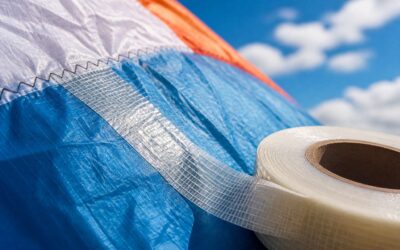
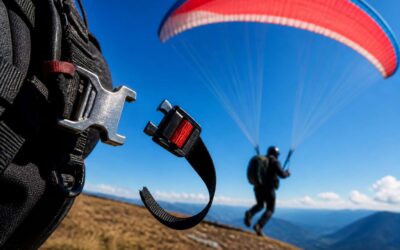
Regular inspection of lines, connectors, and quick-release buckles prevents surprises on take-off, while a reliable setup makes the South African skies feel navigable rather than daunting.
Techniques, training, and safety
Launch is the moment the mountain chooses you. “A bad launch writes its own weather,” a mentor likes to say, and in South Africa those first seconds can decide your day aloft.
Techniques and training emphasize control and anticipation. Ground handling, taxi discipline, and precise brake work—meticulous preflight checks light up the brain before lift-off. In paragliding and gliding, the line between lull and gust is razor-thin; training teaches you to read air, harmonize with it, and keep the canopy aligned.
Key training milestones include:
- Wind window reading and launch awareness
- Ground handling and canopy control drills
- Reserve deployment and self-rescue practice
South Africa’s sunlit hills reward patience; steady practice makes safety feel inevitable rather than earned, and the landscape seems to bend to a well-tuned instinct.
Best practices, destinations, and communities
Wind writes the flight path more than any pilot ever could. In South Africa, that truth anchors best practices for the sport: patient weather reads, disciplined launches, and a culture of mutual support. The sky isn’t a solo stage here; it’s a shared classroom where lines harmonize with lift.
Destinations that capture the SA soul include coastal ridges near Cape Town for dramatic climbs, highveld escarpments offering long ridges, and river valleys that reward steady thermals.
- Cape Town coastal ridges for dramatic climbs and reliable thermals
- Magaliesberg and highveld routes near Johannesburg for steady mid-day flights
- Drakensberg and KwaZulu-Natal escarpments for scenic, long-glide routes
The paragliding and gliding community in SA anchors growth through clubs, weekend clinics, and regional meetups. Shared knowledge, safety-first culture, and friendly competition keep the sport accessible and inspiring!

0 Comments